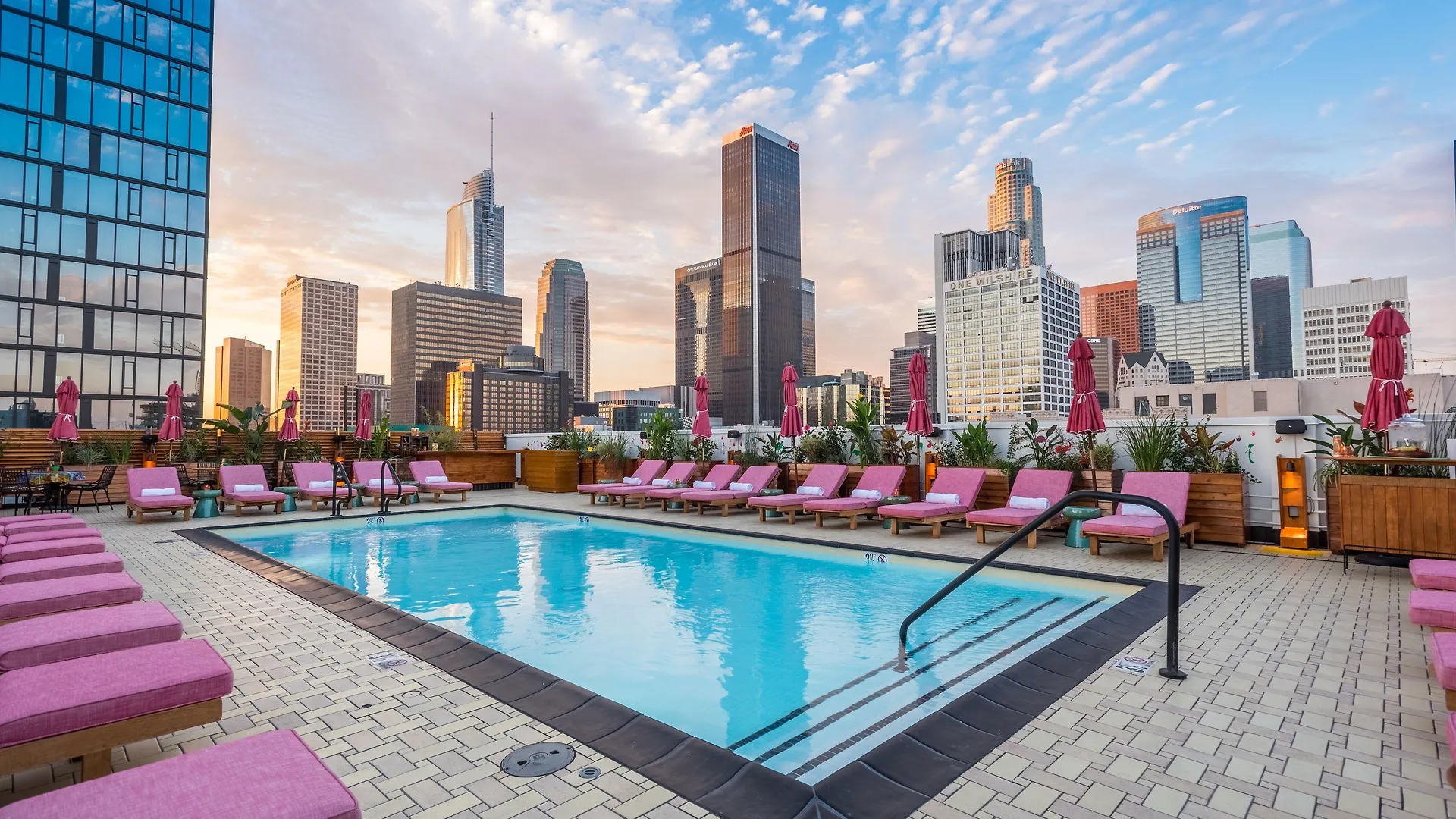
Historic District sits at the intersection of old Los Angeles architecture and modern Downtown energy, placing guests within reach of Pershing Square, Walt Disney Concert Hall, and LA Live without relying on a car for every move. The central hotels in this zone vary significantly in format - from extended-stay suites with full kitchens to boutique properties with rooftop pools - giving travelers real choices based on trip length and priorities. This guide breaks down what staying here actually looks like, what the trade-offs are, and which properties deliver the most usable value for your specific needs.
What It's Like Staying in Historic District, Los Angeles
Historic District occupies a dense, walkable slice of Downtown Los Angeles where pre-war architecture lines streets like Spring, Broadway, and Main. Most major cultural anchors - Walt Disney Concert Hall, The Broad, Grand Park - sit within a 15-minute walk from the core of the district, making car-free mornings genuinely feasible. That said, LA's transit rhythm is uneven: the Metro Red and Purple lines connect quickly to Hollywood and Koreatown, but getting to Santa Monica or Venice still means around 45 minutes by any route.
Crowd patterns shift noticeably by time of day. Broadway fills with foot traffic during business hours and quiets unevenly at night, with pockets near Grand Park staying lively while side streets can feel sparse after 9 PM. Weekends bring food truck clusters and open-air markets, but weekday mornings are the calmest window for exploring without crowds.
Pros:
Walking access to Grand Park, The Broad, and Pershing Square without needing rideshare
Metro connectivity puts Hollywood and Koreatown within 20 minutes
Concentration of historic 1920s-1930s architecture gives the area a distinct urban texture rare in LA
Cons:
Night-time foot traffic drops sharply on secondary streets, which can feel uncomfortable for solo travelers
Parking costs at nearby garages run high, making car-dependent guests pay a real premium
Street noise from Broadway and Spring Street is persistent, especially in lower-floor rooms
Why Choose a Central Hotel in Historic District
Central hotels in Historic District position guests at the functional core of Downtown LA, eliminating the transit friction that affects visitors staying in Hollywood or Mid-Wilshire. Properties here typically run around 20% higher per night than comparable rooms in neighboring South Park, but that premium buys genuine walkability to both cultural venues and business hubs. Room sizes in central Downtown hotels trend smaller than outer-city equivalents, though extended-stay suite formats in this zone buck that pattern with full kitchens and separate living areas.
The key trade-off is urban density: buildings are tightly packed, balconies are rare, and city-view rooms often face other towers rather than open skyline. For multi-night stays, hotels with in-room kitchen facilities or on-site dining become meaningfully more practical than standard room-only options. Budget travelers will find the hostel-style shared rooms at select properties offer the cheapest entry point into this location tier.
Pros:
Zero-transit access to Convention Center, Pershing Square, and Cultural Core attractions
Extended-stay suite formats offer kitchen facilities that cut daily food costs significantly
Rooftop pools and bars at select properties provide city views unavailable at street-level competitors
Cons:
Street-facing rooms absorb significant traffic noise, especially Thursday through Saturday nights
Parking fees add a daily surcharge that erodes value for self-driving guests
Room footprints in historic-building conversions can be tighter than outer-district alternatives at the same price
Practical Booking & Area Strategy
For the best micro-location within Historic District, properties on or near South Olive Street and South Grand Avenue place guests between the Financial District and the Cultural Core, reducing walking time to both Pershing Square Station and Disney Concert Hall to under 10 minutes on foot. Spring Street addresses lean more commercial and are better suited for business-focused stays. The Metro Purple Line extension - operational at Pershing Square - makes LAX access manageable without a rental car, cutting transit time to around 50 minutes via rail and shuttle.
Peak booking pressure hits in late January during Grammy week at Crypto.com Arena (formerly Staples Center) and again in June when the LA Convention Center hosts major trade events. Booking at least 6 weeks ahead during these windows is essential to avoid rate spikes of around 40% above baseline. Off-peak windows in February (excluding awards season) and September offer the most competitive nightly rates in the district with minimal crowd impact on local streets and restaurants.
Best Value Stays
These properties deliver strong central positioning and practical amenities at more accessible price points, making them the right starting point for most travelers evaluating Historic District hotels.
-
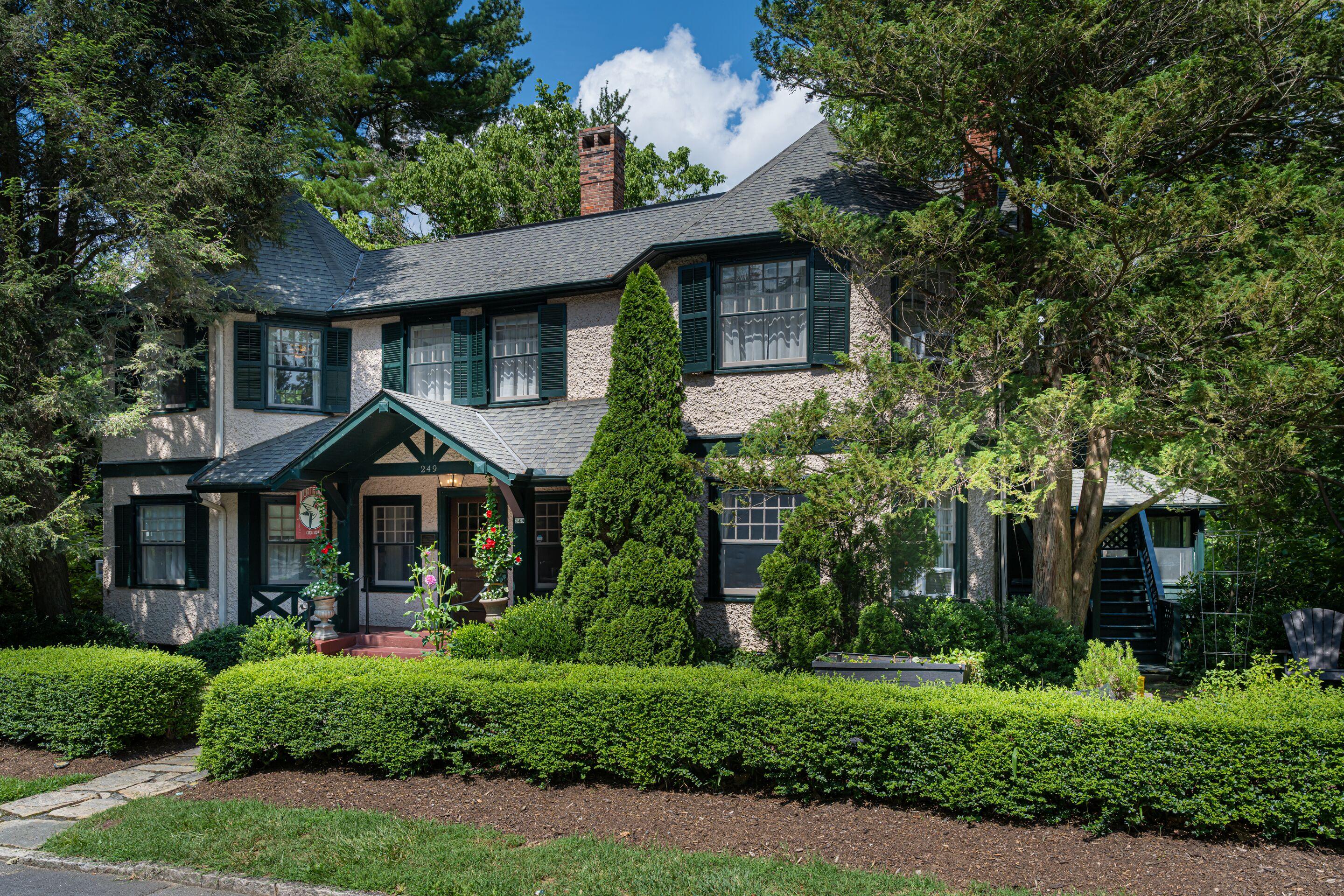
1. Freehand Los Angeles
Show on map


 Check-infrom 15:00 until 23:59Check-outuntil 12:00
Just a few rooms left at the best rate!
fromUS$ 28
-
2. Kawada Hotel
Show on map


 Check-infrom 15:00 until 23:59Check-outuntil 11:00
Just a few rooms left at the best rate!
fromUS$ 75
Best Premium Stays
These properties offer elevated amenities, larger footprints, or historically significant positioning within Historic District, justifying a higher nightly rate for guests prioritizing space, facilities, or a distinct sense of place.
-
3. Level Los Angeles - Downtown South Olive
Show on map


 Check-infrom 16:00 until 23:59Check-outuntil 10:00
Hurry – almost gone at this price!
fromUS$ 208
-
4. Hilton Checkers Los Angeles
Show on map


 Check-infrom 16:00 until 23:59Check-outuntil 11:00
Rooms filling fast – secure the best rate!
fromUS$ 157
Smart Travel & Timing Advice for Historic District
The most tactically sound window for booking central hotels in Historic District is September through early November, when convention traffic at the LA Convention Center drops and hotel rates follow. January and February bring Grammy and awards-season events that compress available inventory fast, pushing nightly rates up by around 35% across the district's better-positioned properties. March through May offers a middle ground - the weather is reliably mild, cultural programming at Disney Concert Hall and The Broad is active, and weekday rates stay reasonable if booked at least 3 weeks out.
For trip length, 3 nights is the practical minimum to justify the positioning premium of staying in Historic District - enough time to cover the Cultural Core on foot, make use of Grand Park and Pershing Square, and take one Metro-linked day trip to another neighborhood. Last-minute bookings in this district rarely yield value: the limited hotel inventory and steady corporate demand mean discounted rooms disappear well before check-in dates. Extended-stay suite formats like Level become genuinely cost-competitive at the 5-night mark once kitchen savings offset the higher base rate.