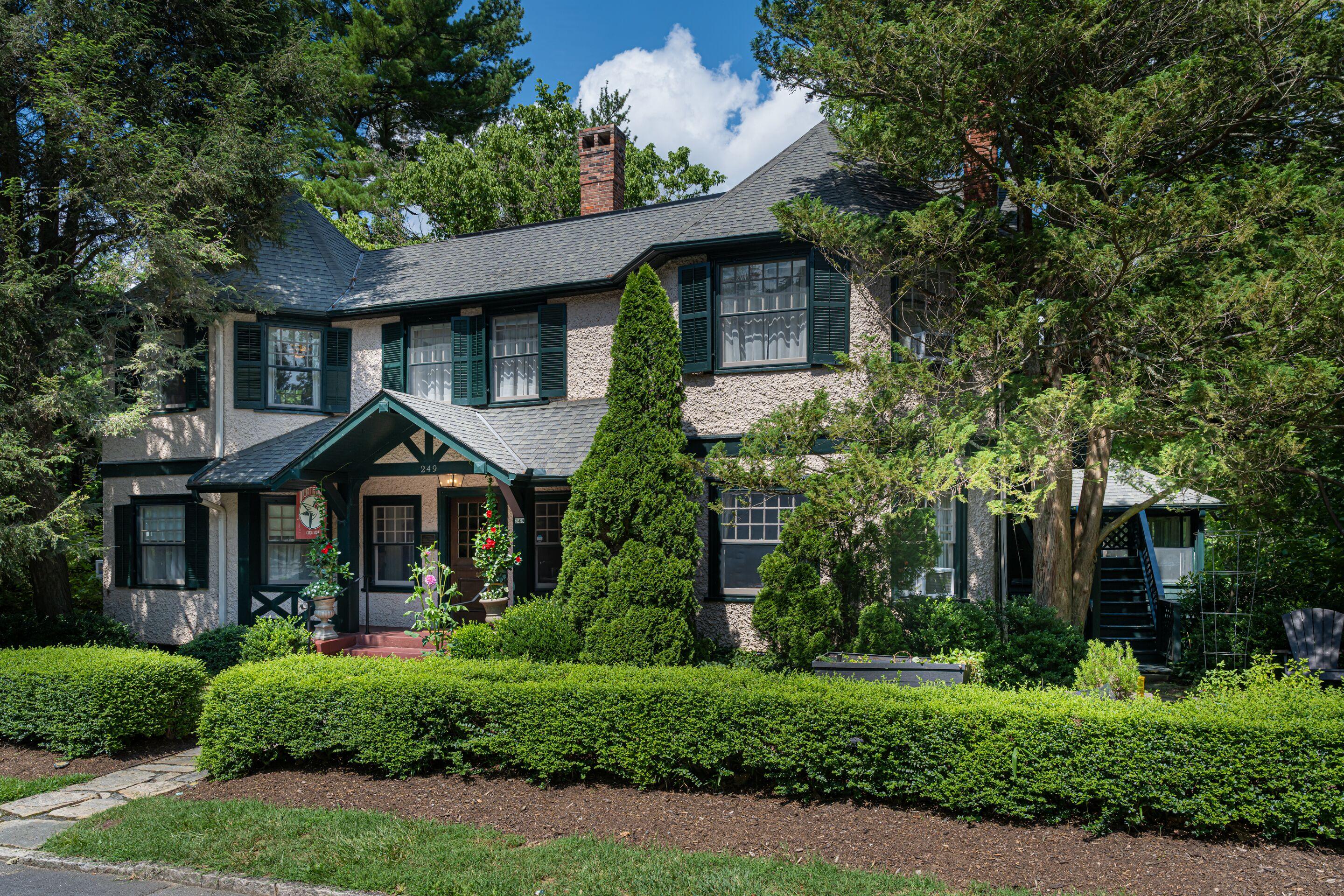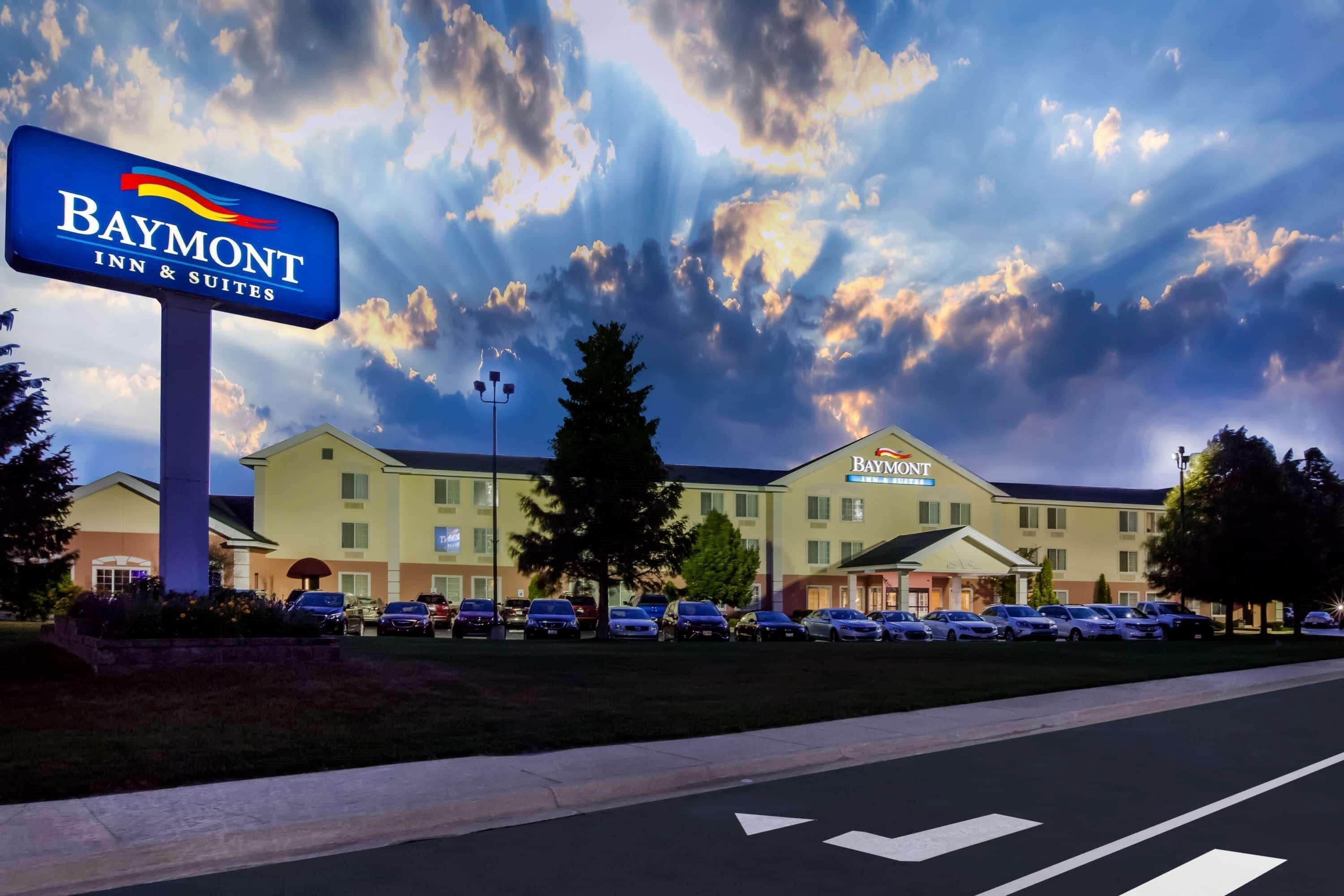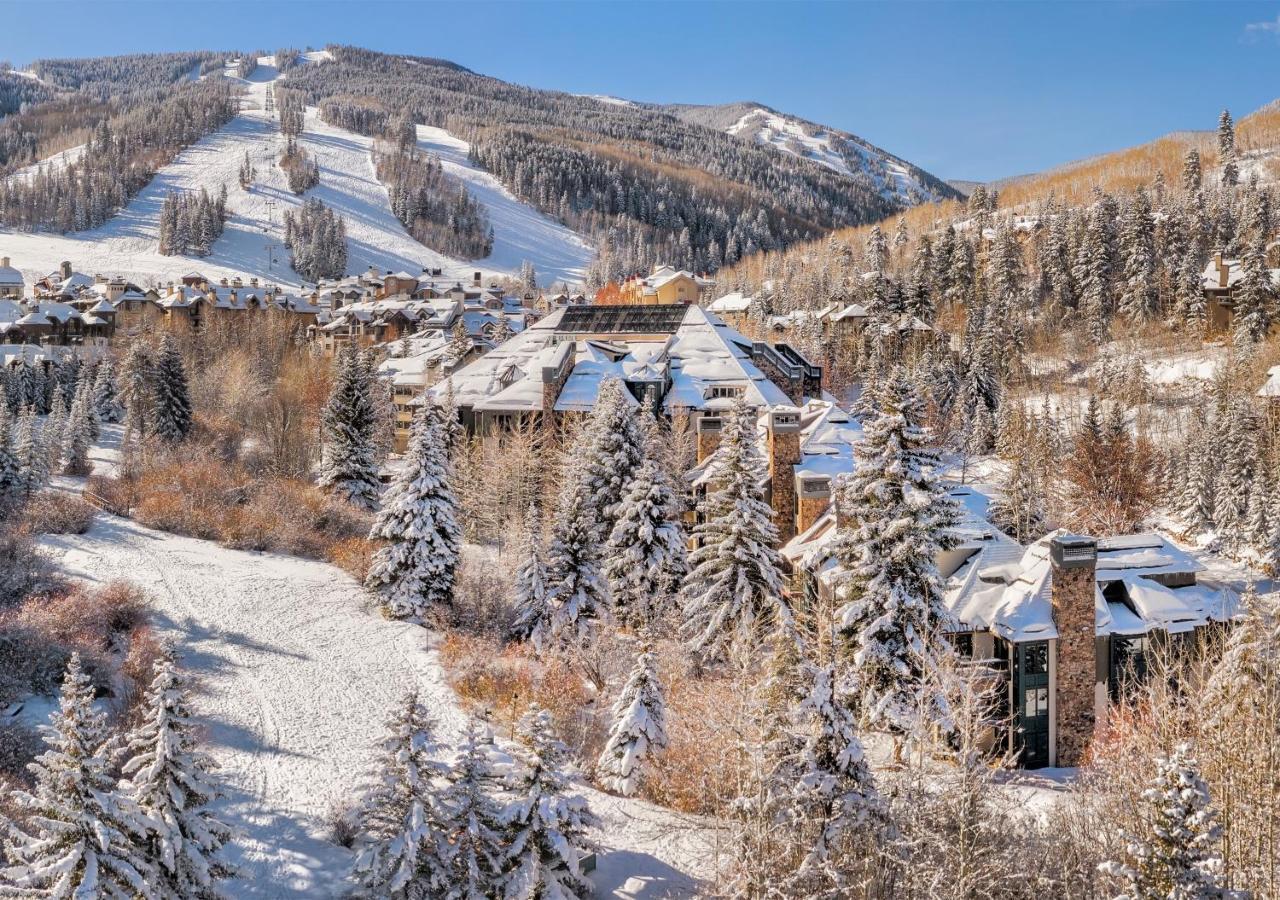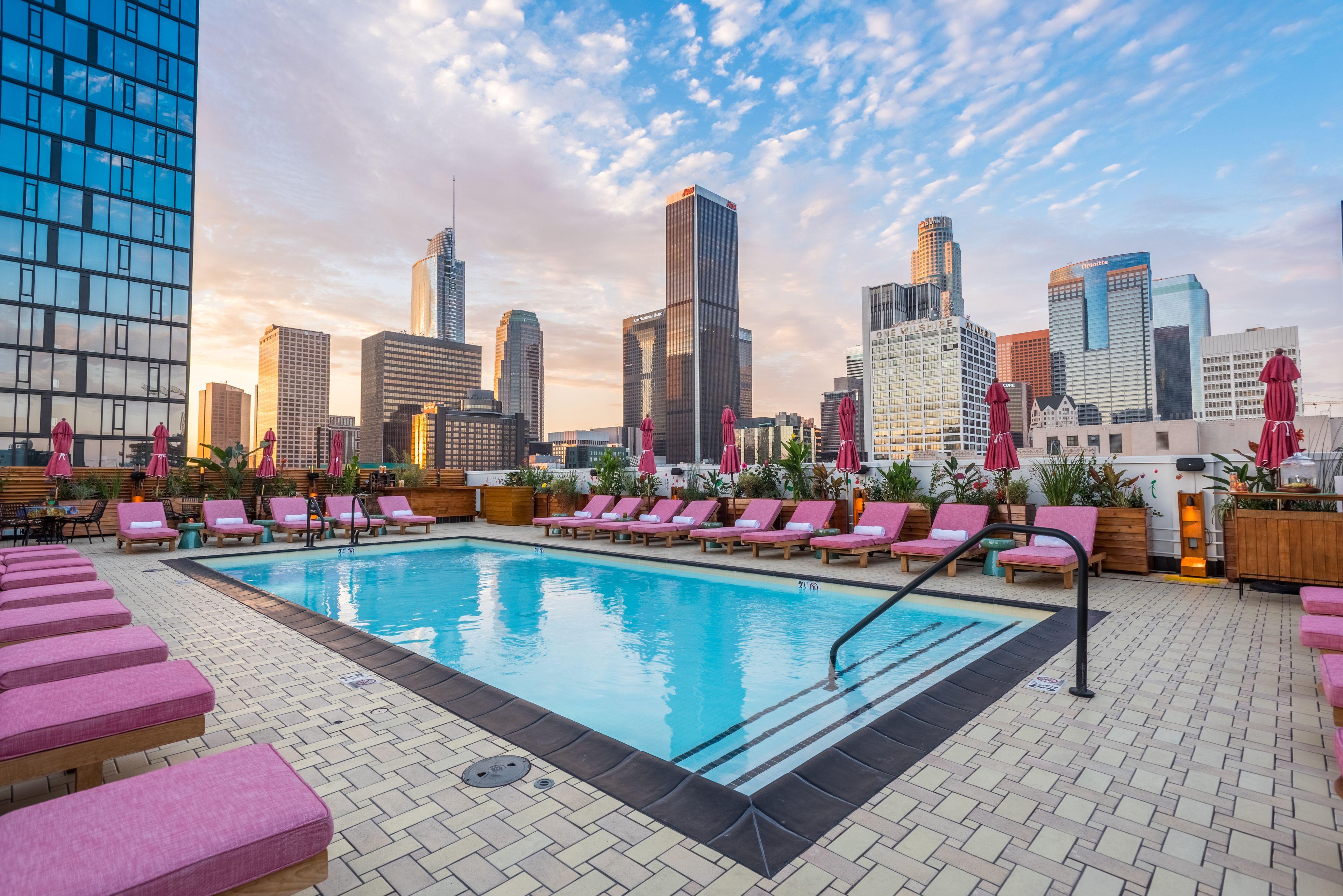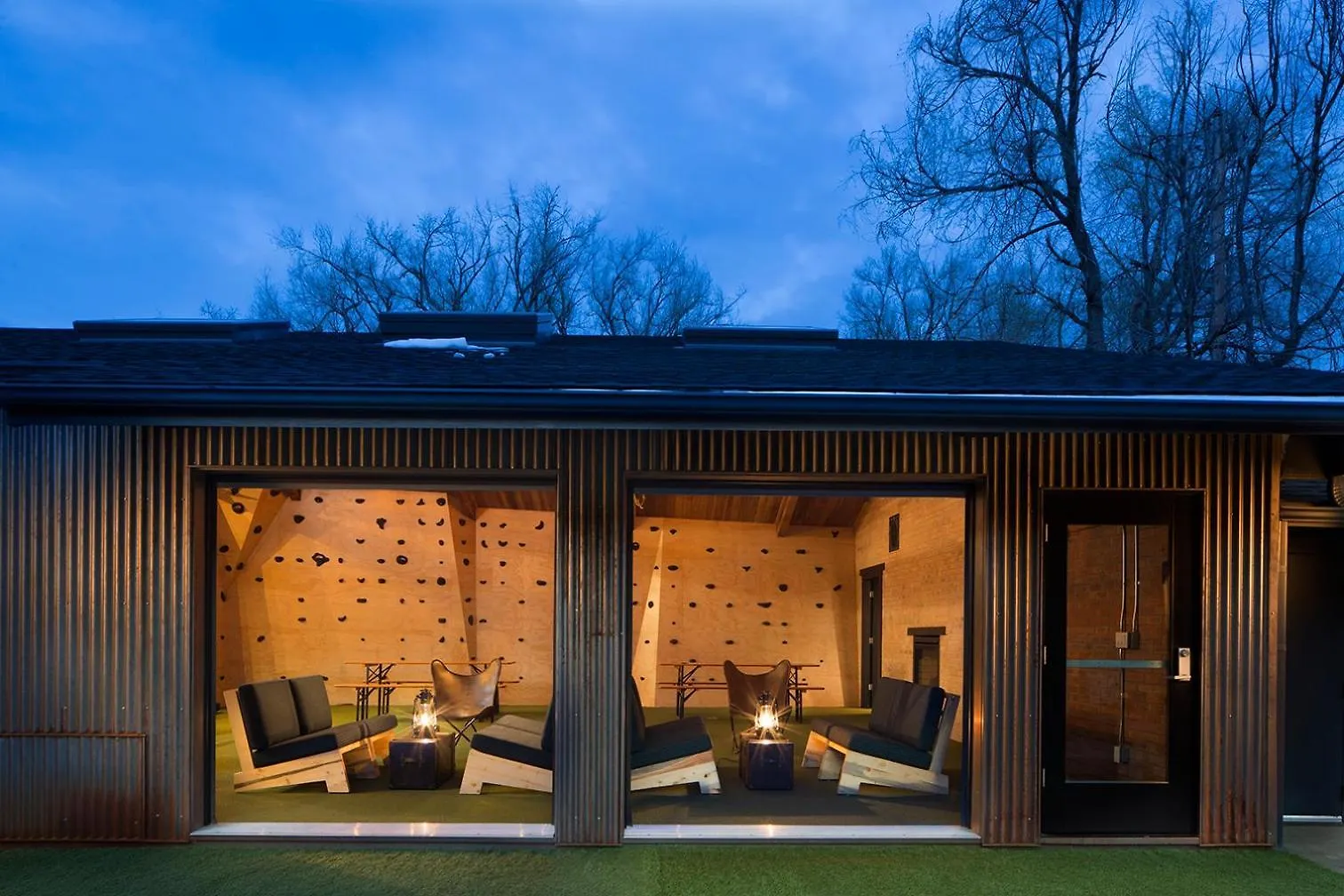
Boulder Reservoir sits on the northeastern edge of Boulder, roughly 5 miles from downtown, drawing swimmers, triathletes, paddleboarders, and open-water swimmers year-round. Staying in a centrally located hotel in Boulder means you get the best of both worlds: quick access to Pearl Street Mall, the CU Boulder campus, and the Boulder Creek Path, while still being able to reach the Reservoir by car or bike in under 20 minutes. These four central hotels put you within reach of Boulder's most active outdoor corridor without sacrificing urban convenience.
What It's Like Staying Near Boulder Reservoir
The area surrounding Boulder Reservoir is primarily residential and recreational - not a dense hotel zone. Most accommodations sit in central Boulder or nearby Niwot, requiring a short drive or bike ride to reach the water. The Reservoir itself opens seasonally, typically from late May through September, which means the surrounding area is noticeably quieter outside summer. For visitors focused on triathlon training, open-water swimming, or the Boulder Triathlon events held at the site, a central Boulder hotel gives you fast access without being marooned in a suburban pocket with limited dining or transit options.
Pros:
Central Boulder hotels are within 15-20 minutes of the Reservoir by car and close to Pearl Street dining and nightlife
Easy access to multiple recreational corridors - Boulder Creek Path, Chautauqua Park, and the Reservoir - from one base
Strong public and rideshare infrastructure from downtown Boulder reduces the need for a rental car
Cons:
No walkable hotel options exist at the Reservoir itself - all properties require transport
Summer weekends bring significant road congestion on Jay Road and 51st Street near the Reservoir entrance
Parking at the Reservoir fills by 9 AM on peak summer mornings, making a car-free strategy harder than it looks
Why Choose Central Hotels Near Boulder Reservoir
Central Boulder hotels serve as the most practical base for Reservoir visitors because they cluster near the city's transit spine and restaurant density while keeping the water accessible. Unlike hotels on the eastern fringe of Boulder, central properties sit within walking distance of Pearl Street and University Hill, meaning evenings have real options. Rates at central Boulder hotels run notably lower than comparable mountain resort towns, with solid mid-range options available well under $200 per night outside peak summer. Room sizes vary - expect motel-style properties to offer more square footage per dollar than boutique urban rooms, which can run compact by Colorado standards.
Main advantages of this hotel category here:
Dual access to both Reservoir recreation and downtown Boulder's commercial core from one location
Broader dining, coffee, and grocery options within walking distance compared to fringe or suburban lodging
Central positioning makes day trips to Eldora Mountain, Rocky Mountain National Park, and Denver International Airport all viable
Main trade-offs in this specific zone:
Central properties on Arapahoe Ave and Broadway can experience traffic noise during morning commute hours
Some central hotels enforce pet fees or size restrictions that matter for active travelers with dogs
Proximity to CU Boulder means summer orientation weekends and football Saturdays spike occupancy sharply
Practical Booking & Area Strategy
For Reservoir access, hotels along Arapahoe Avenue and 28th Street sit in the most strategic central zone - close enough to US-36 and Jay Road to reach the Reservoir in around 15 minutes by car, while staying embedded in Boulder's walkable core. The stretch near 28th Street and Iris Avenue also gives quick northbound access without cutting through downtown traffic. Book at least 6 weeks ahead for stays during Boulder Triathlon weekends (typically June) and Ironman 70.3 Boulder in August, when central hotel inventory shrinks fast. Beyond the Reservoir, central Boulder puts you within reach of Eldorado Canyon State Park (around 20 minutes south), the Boulder Creek Path for cycling, and the Flatirons trailheads at Chautauqua Park - all reachable without highway driving. The Niwot corridor, about 14 km east of central Boulder, offers a quieter alternative with B&B-style lodging for visitors who prioritize a calmer setting over walkable urban access.
Best Value Stays
These properties deliver strong practicality and solid amenities at accessible price points, making them the most efficient base for Reservoir visits combined with downtown Boulder exploration.
-
1. Basecamp Boulder
Show on map


 Check-infrom 16:00 until 23:00Check-outuntil 11:00
Just a few rooms left at the best rate!
fromUS$ 199
-
2. Boulder University Inn
Show on map


 Check-infrom 15:00 until 23:59Check-outfrom 03:00 until 11:00
Just a few rooms left at the best rate!
fromUS$ 109
-
3. Boulder Guest House
Show on map


 Check-infrom 15:00 until 21:00Check-outfrom 05:00 until 10:00
Hurry – almost gone at this price!
fromUS$ 198
Best Premium Stay
For visitors seeking a more retreat-style experience with added amenities and a quieter setting, this property trades urban proximity for comfort and space.
-
4. Niwot Inn & Spa
Show on map


 Check-infrom 16:00 until 23:59Check-outuntil 11:00
Rooms filling fast – secure the best rate!
fromUS$ 219
Smart Travel & Timing Advice
Boulder Reservoir operates on a strict seasonal schedule, typically open from late May through September, with peak visitation concentrated in June, July, and August. July is the busiest month - Boulder Triathlon events, open-water swim series, and general summer recreation converge, pushing central Boulder hotel rates up significantly and reducing last-minute availability. Booking around 8 weeks out for July and Ironman-adjacent weekends in August is the realistic minimum for securing central properties at standard rates. The shoulder windows of late May and September offer noticeably quieter Reservoir access, lower hotel rates, and cooler morning water temperatures that serious open-water swimmers often prefer. For visitors primarily using the Reservoir for paddleboarding or casual recreation rather than racing, a mid-week late-June stay avoids the weekend crowd surge without sacrificing open access. Winter visits to Boulder make no sense for Reservoir purposes - the facility closes and the surrounding area offers nothing comparable - making this a firmly seasonal destination requiring precise timing alignment with your intended activity.